St Mary's Church Runwell
A central reference point for the Church End and Runwell Road area. If you tell us you are near the church, we know which side of the village you are on and which parking restrictions apply.

Spray foam removal in Runwell is a specialist job, and it is the only thing our team does. Runwell is a semi-rural village with a real mix of stock: Victorian and Edwardian cottages around Church End, 1960s and 70s semis off Brock Hill, and new-build estates on Runwell Gardens where spray foam was installed under earlier grant schemes. Foam in a loft or between roof rafters traps heat and moisture against the timber, and that is what leads to the roof rot surveyors flag. We have worked Runwell since 2022, extracting open cell spray foam, closed cell spray foam and older polyurethane foam from lofts, attics, roof rafters and cavity walls. Our technicians use a spray foam removal saw, oscillating multi-tool, industrial vacuum and negative air machine to keep dust inside the work zone, with respirators and protective clothing on throughout. If you need Runwell Spray foam removal for a mortgage or sale, we can usually survey within 48 hours and quote the same visit.
Every job in Runwell starts with an insulation assessment, because open cell spray foam and closed cell spray foam come out differently and the timber underneath decides the method. If you have been searching for spray foam removal near me Runwell, we cover the whole village, from Runwell Road to Runwell Gardens, and we can usually get a surveyor out within 48 hours.
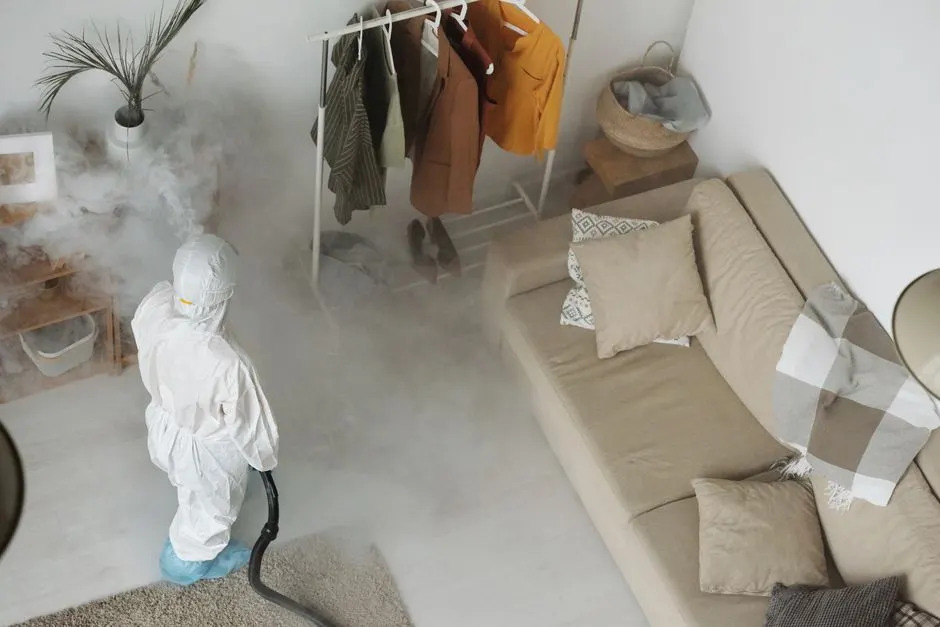



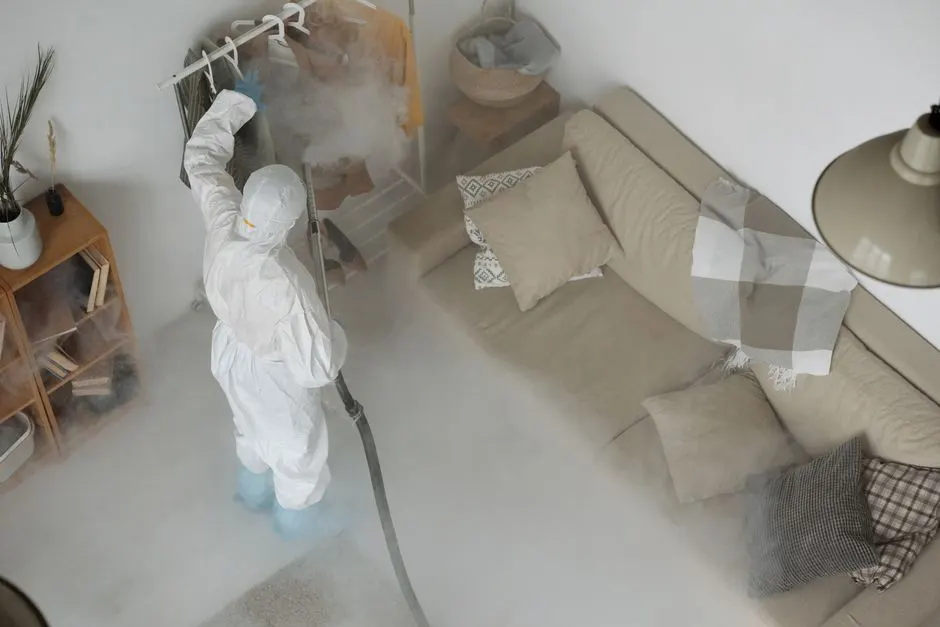






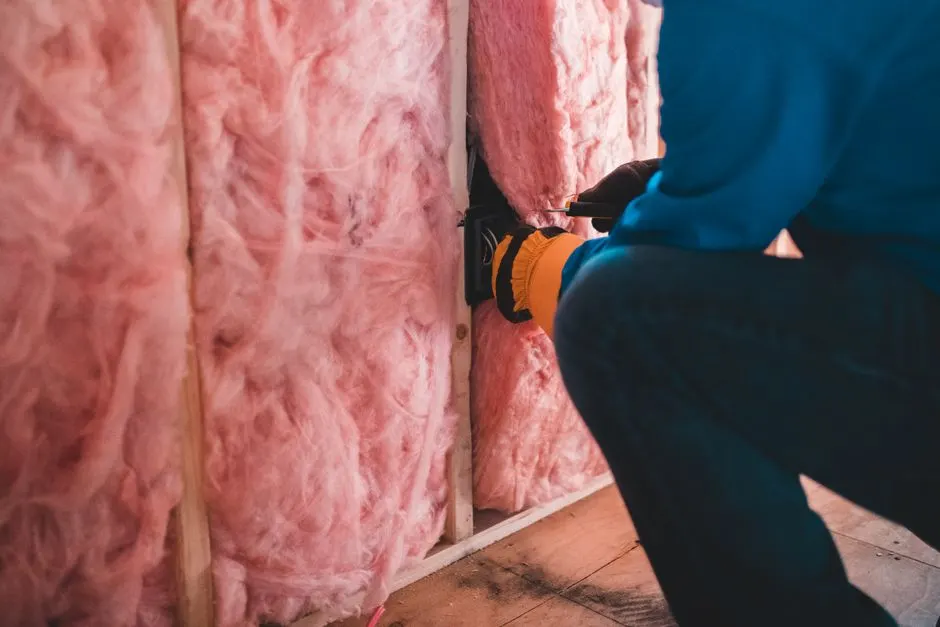


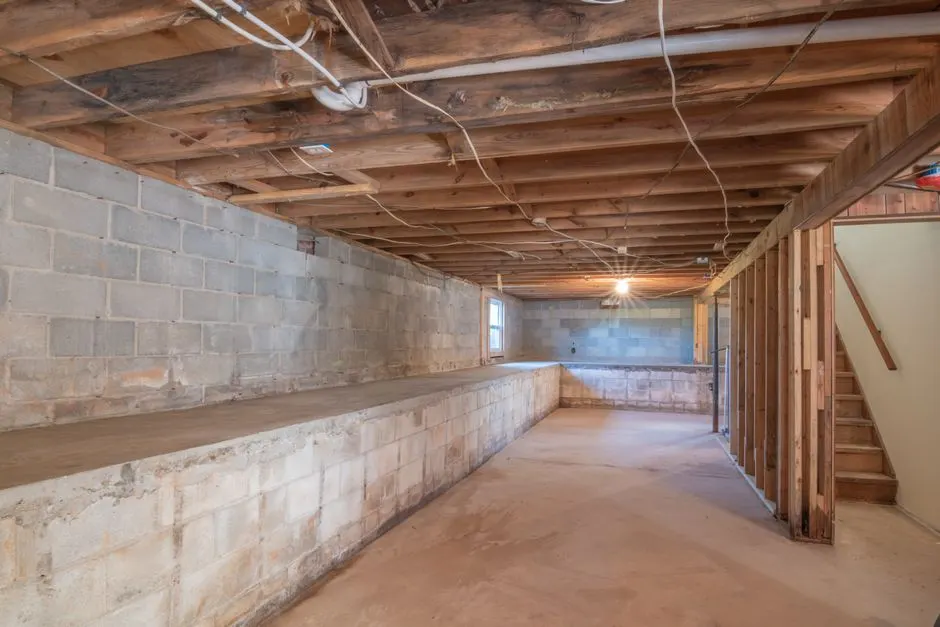
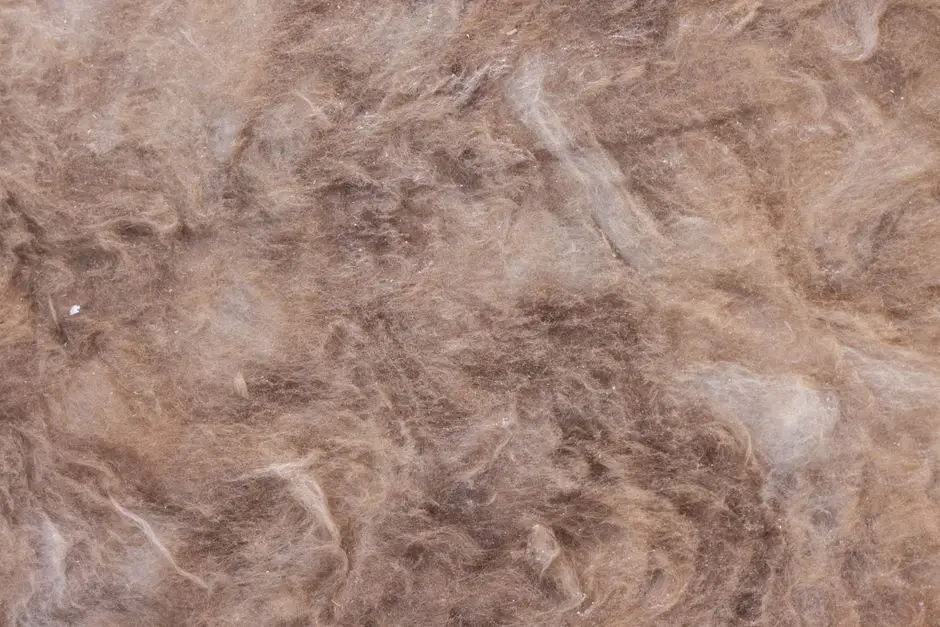


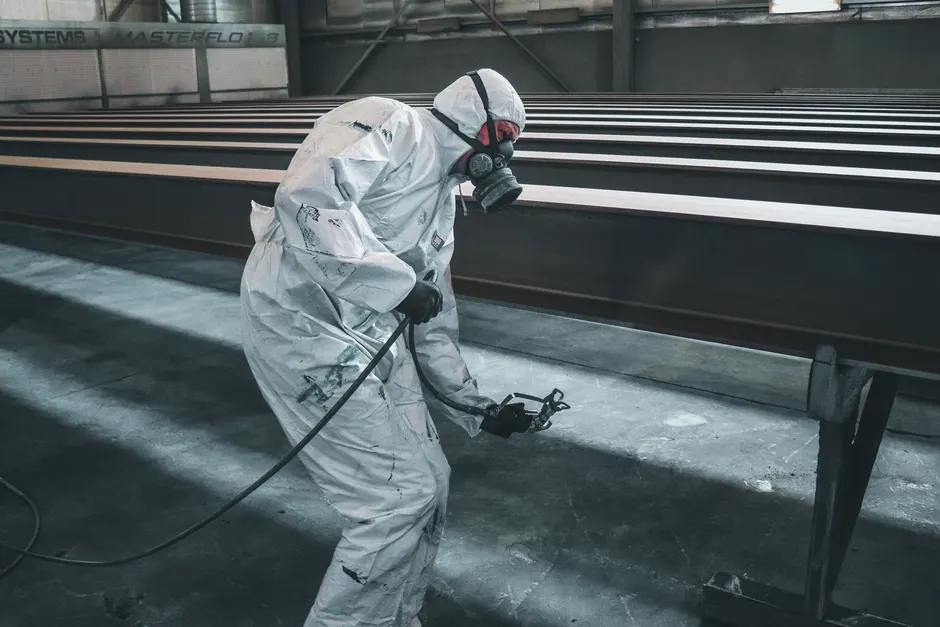
Runwell's housing mix creates a specific set of foam problems. The village has a lot of 1960s and 70s semis with shallow rafters, period cottages with historic timber, and newer estates where foam was installed under grant schemes. Add Essex's damp winters and warm summers, and you get condensation trapped against timber for months at a time. These are the four problems we deal with most often in Runwell Spray foam removal work.
Lenders treat spray foam as a hidden risk because it can conceal rot and block roof ventilation. In Runwell, where a lot of foam went in during the 2000s, this is now surfacing on resales and remortgages across the village.
Foam sprayed between rafters stops the roof breathing. In Runwell's period cottages around Church End and Runwell Road, the timber is old and absorbs moisture quickly. Two or three damp winters is enough to start rot.
Retrofit schemes in the 1970s and 80s injected foam into cavity walls on estates around Brock Hill. The foam fills the gap that should allow moisture to drain, so water sits against the inner leaf and shows up as damp inside.
On newer Runwell estates like Runwell Gardens, foam was often sprayed across the attic floor rather than between rafters. It blocks the eaves vents, so warm moist air from the house cannot escape and condenses on the cold roof deck above.
Most Runwell homeowners only discover their foam problem when a surveyor, lender or buyer raises it. But there are physical signs too, and if you have noticed any of the following, it is worth booking an insulation assessment before the problem spreads. If you have been searching for spray foam insulation removal near Runwell, these are the triggers we see most often.
Mortgage or surveyor has flagged the foam
This is the most common trigger in Runwell. Lenders treat spray foam in a loft or between rafters as a risk because it can hide rot and block ventilation. If your offer is conditional on removal, we can survey within 48 hours and provide the report your lender needs.
Damp patches on ceilings below the loft
Foam sprayed between rafters stops the roof breathing, so condensation builds up and soaks into the ceiling below. The patch may look small, but the moisture is usually spread across a wider area of timber. Left alone, it leads to rot.
Foam is soft, crumbly or pulling away
Older polyurethane foam breaks down over time, especially in lofts that get hot in summer. If it crumbles when you touch it, it is no longer insulating and may be releasing particles. Removal is the only fix.
Timbers look stained or feel spongy
Staining on rafters or a spongy feel when you press the timber means moisture has been sitting against the wood. This is the early stage of roof rot and the point where removal plus treatment still saves the structure. Delay and the rafters may need replacing.
You are buying a house with foam in the loft
If your survey has flagged foam on a Runwell property, get it assessed before you exchange. Removal costs are predictable once we have seen the loft, but rot repair is not. Knowing the number early lets you negotiate or budget with confidence.
Runwell is a small village, but the landmarks matter when you are trying to find a specific property. We use St Mary's Church Runwell as our main reference point for the Church End and Runwell Road area, and the old Runwell Hospital site to orient ourselves on the eastern side of the village. Runwell Village Hall and Runwell Sports and Social Club are useful markers for the residential streets around them, and Runwell Gardens helps us pinpoint the newer estate. If you are giving directions, mention the nearest of these and we will find you.
A central reference point for the Church End and Runwell Road area. If you tell us you are near the church, we know which side of the village you are on and which parking restrictions apply.
The former hospital site sits on the eastern edge of Runwell and is a useful marker for the surrounding residential streets and newer developments. It helps us route to jobs on that side of the village.
A well-known community building used as a meeting point for the streets around the village centre. Mentioning it helps us locate properties that do not show clearly on sat-nav.
A recognisable landmark on the residential side of the village. We use it to orient ourselves when heading to jobs on the surrounding estates.
ZIP coverage on request — call to confirm.
Runwell sits in a low-lying part of Essex, and the village gets its share of damp autumns and cold winters. Foam problems are not seasonal in themselves, but the symptoms are: damp patches show up in winter, rot is discovered in spring, and lofts get uncomfortably hot in summer. If you have been putting off spray foam insulation removal near Runwell, the season you choose affects how quickly you see the result.
Spring is when rot gets discovered. Damp patches that appeared over winter dry out slightly, and surveyors inspecting lofts find stained rafters behind the foam. It is also the start of the selling season, so lender-driven removal jobs pick up in Runwell.
Tip: Book a survey in March or April if your loft has had damp patches over winter. Catching rot early saves the cost of replacing rafters.
Lofts get very hot in July and August, and older polyurethane foam can soften or crumble. This is a good time to remove foam because the timber dries out quickly afterwards. It is also our busiest period for booked-in work.
Tip: If you are planning a removal, book early in the summer. Hot weather helps the timbers dry after extraction, which speeds up any treatment.
Autumn rain and falling temperatures push moisture back into the roof space. Foam that blocked ventilation over summer now traps condensation again, and damp patches reappear on ceilings. This is the second busiest season for Runwell jobs.
Tip: Get the foam out before the wet weather sets in. Once the autumn rains start, any exposed timber takes longer to dry.
Winter is when leaks show up. Water getting past tiles and held against the roof by foam causes staining and, in bad cases, drips onto ceilings. Emergency call-outs in Runwell peak between December and February.
Tip: If you spot a new damp patch in winter, call us rather than waiting for spring. Foam holding water against timber does damage fast in cold weather.
Runwell sits between Wickford and the villages to the east, and we cover the whole cluster from our Wickford base. If you are in any of the towns below, the same team and the same equipment will handle your job.
(City)
About two miles west of Runwell and our home base. Most of our Runwell jobs are booked through the same Wickford office, and we pass through the town centre on the way to you.
View Wickford Town Centre(City)
A small settlement just north of Wickford, roughly three miles from Runwell. We cover Shotgate on the same runs as Runwell, often on the same day.
View Shotgate(City)
About six miles east of Runwell. A larger town with a mix of new-build and older housing, and a steady source of loft foam removal work.
View South Woodham Ferrers(City)
A rural parish four miles east of Runwell. Properties are spread out, so we plan travel time carefully, but the removal work is the same.
View Rettendon(City)
A small village about four miles southeast of Runwell, known for its antique centres. Older buildings here often need gentle removal methods.
View Battlesbridge(City)
A village roughly three miles east of Runwell. Mostly residential with some older cottages, and we cover it on the same schedule as Runwell.
View RawrethReal answers from our team for the questions we hear most often before a job starts.
If a lender, surveyor or buyer has flagged the foam in your Runwell property, do not wait for the problem to get worse. We survey within 48 hours, quote in writing the same visit, and remove the foam with the right method for your roof. Every job ends with a written report and photos for your lender. Call us on 0333 567 2543 or send a message and we will get back to you the same day.
Call us on 03335672543 or email [email protected] and we will get back to you the same working day. We cover Wickford and the surrounding Essex villages, and our phone line is open 24/7 for urgent jobs. Free assessments are usually booked within 48 hours.
Phone
03335672543Address
6 Station Approach, Wickford SS11 7AT, United Kingdom, Wickford, Essex
Hours
Mon–Fri: 7AM – 7PM
Sat: 8AM – 4PM
Sun: Emergency Only
24/7 Emergency Available