Wickford Railway Station
A useful orientation point for jobs on Station Road and the surrounding streets. We use it to plan arrival times around commuter traffic and to locate the short-stay parking on the station side of town.

Spray foam removal in Wickford Town Centre is a specialist job, and it is the only thing our team does. We have worked the town centre since 2022, and most of our call-outs come from the older housing stock around Wickford High Street, Market Road and The Broadway, where retrofit foam was pumped into lofts and rafters during the last insulation boom. Open cell spray foam and closed cell spray foam both cause problems here: they seal the roof space, trap moisture and leave surveyors unwilling to lend. We remove it properly, using a spray foam removal saw, oscillating multi-tool and industrial vacuum, then bag and dispose of every scrap. If you need Wickford Town Centre Spray foam removal that satisfies a mortgage lender, we produce the paperwork your valuer asks for. We also cover the commercial units near Station Road and London Road, where warehouse spray foam removal has to happen around trading hours.
Demand for Spray foam removal near Wickford Town Centre runs year-round, but it spikes when surveyors flag foam in a loft or when a buyer's mortgage is held up. We cover every property type in the town, from the terraces around Market Road to the commercial units off London Road, and we can usually get to you the same day you call.
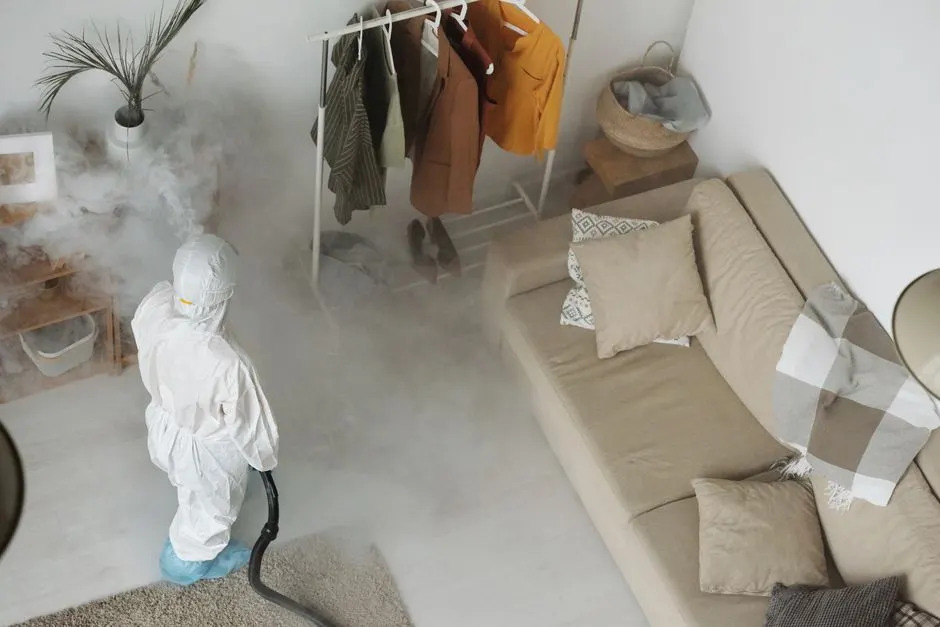














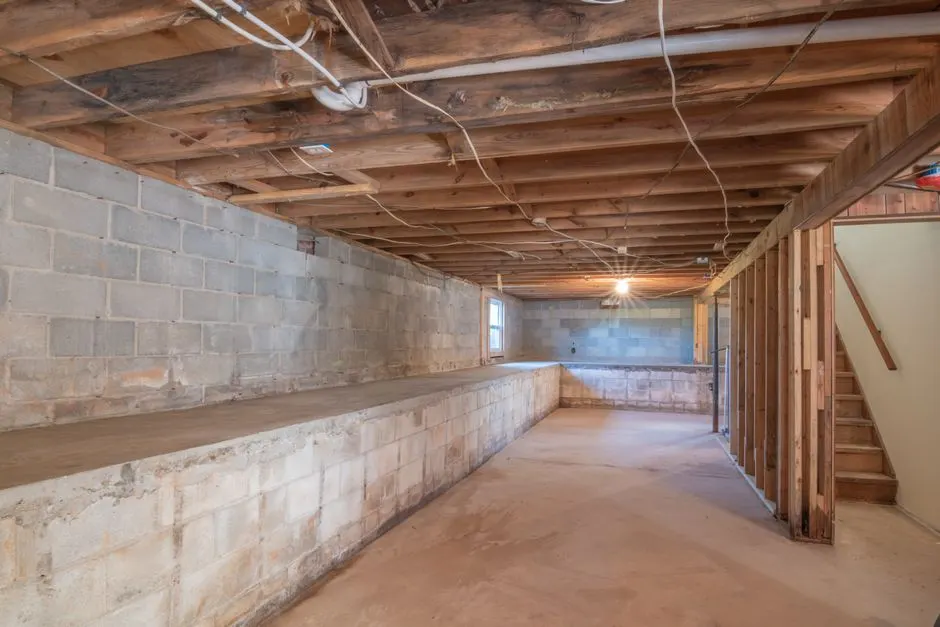




Wickford Town Centre has a particular set of conditions that make spray foam problems more likely: a high proportion of older housing stock, tight roof spaces and a damp Essex climate. These are the issues we deal with most often.
Many lenders will not lend on a property with spray foam in the roof space because it can hide structural problems and trap moisture. The older terraces around Wickford High Street are the most common location for this issue.
Foam applied directly to rafters seals the roof space and stops it ventilating. In the Victorian and Edwardian properties near St Catherine's Church, this has led to moisture building up and timber starting to soften.
Foam injected into cavity walls can bridge the gap and allow moisture to cross from the outer leaf to the inner wall. The SS12 postcodes have seen a number of cases where this has caused damp patches inside.
When foam is sprayed too far into the eaves, it blocks the vents that keep the roof space dry. This is common in lofts that were insulated quickly, without a proper ventilation plan.
Most people in Wickford Town Centre do not realise they have a problem until a surveyor flags it. These are the signs we see most often, and if any of them sound familiar, it is worth booking an insulation assessment before the issue spreads.
A surveyor has flagged foam in the loft
This is the most common trigger. Lenders treat spray foam in roof rafters as a risk because it can trap moisture and hide rot. Once it is flagged, the sale usually stalls until the foam is removed and the timbers are inspected.
Damp patches appearing on upper ceilings
Foam sprayed between rafters can seal the roof space and stop it ventilating. Moisture then condenses on the timbers and works through to the ceiling below. If you see a damp patch, get the loft checked before it spreads.
A musty smell in the loft or upstairs rooms
A persistent musty smell usually means trapped moisture and early mould growth. In foam-filled lofts around Wickford High Street, this is often the first sign that the roof space is not breathing properly.
Visible condensation on roof timbers
If you can see water droplets on the rafters or felt, the roof space is not ventilating. This is a warning sign for spray foam causing roof rot, and it needs addressing before the timber softens.
Foam blocking the eaves or ventilation gaps
Foam that has been sprayed over eaves vents stops air moving through the roof space. It is a common finding in the terraces around Market Road, and it usually means the foam needs removing to restore airflow.
Wickford Town Centre is compact, but the one-way sections and restricted parking around the High Street mean we plan every route. We use local landmarks as orientation points when arranging access, and we will tell you exactly where we will park before we arrive.
A useful orientation point for jobs on Station Road and the surrounding streets. We use it to plan arrival times around commuter traffic and to locate the short-stay parking on the station side of town.
Sits at the centre of the High Street area. Market days restrict vehicle access, so we schedule removals on those streets for non-market days and use the nearby loading bays where permitted.
Marks the edge of the conservation area. Jobs within sight of the church need extra care with external access and waste handling, so we plan them with internal-only access wherever possible.
A clear reference point for the residential streets to the north of the town centre. It helps us route to properties where sat-nav directions are unreliable and confirm which side of the park the access road sits.
ZIP coverage on request — call to confirm.
Spray foam problems do not disappear in summer, but the symptoms change with the weather. Understanding the seasonal pattern helps you decide when to book, and it helps us plan the work around the conditions in your roof space.
Damp patches and musty smells become more obvious as the weather warms and moisture starts to move. Spring is also when many house sales complete, so surveyor flags and mortgage lender deadlines are common.
Tip: Book an insulation assessment in spring if you noticed damp over winter. Catching it early usually means less timber damage and a simpler removal.
Loft temperatures can exceed 40 degrees Celsius, which makes the roof space uncomfortable and slows work. Foam also softens slightly in the heat, which can make cutting marginally easier but increases the risk of smearing.
Tip: We schedule summer removals for early morning to avoid the worst of the heat. If your loft is south-facing, expect us to start at 7am.
Rainfall increases and any roof space that is not ventilating properly will start to show condensation on the timbers. This is the season when spray foam causing roof rot becomes most visible.
Tip: Check your loft after the first heavy rain of autumn. If you see droplets on the rafters, book a removal before winter sets in.
Cold outside air meeting a warm, sealed roof space creates heavy condensation. Damp patches on ceilings are most common between December and February, and emergency call-outs for water ingress peak in this period.
Tip: If you have foam in the loft, keep an eye on upper ceilings through winter. Our 24/7 line covers Wickford Town Centre for urgent water ingress problems.
Wickford Town Centre sits at the centre of a service area that stretches across south Essex. We cover the surrounding villages and towns from the same base, so response times stay short and pricing stays consistent.
(City)
Roughly two miles west of the town centre, with a similar mix of older housing and retrofit foam problems. We cover Runwell on the same schedule as Wickford.
View Runwell(City)
A short drive north-east of Wickford Town Centre. Many Shotgate customers are referred to us by the same surveyors who work in the town centre.
View Shotgate(City)
About six miles east, with a larger stock of newer homes where cavity wall foam removal is more common than loft foam.
View South Woodham Ferrers(City)
A rural parish to the east of Wickford. Larger detached properties and barn conversions often need specialist access for roof foam removal.
View Rettendon(City)
Just south of Wickford, known for its antique centres and older commercial buildings. We handle both residential and commercial foam removal here.
View Battlesbridge(City)
A small parish on the eastern edge of Wickford. Most jobs here are loft and roof foam removal on older detached homes.
View RawrethReal answers from our team for the questions we hear most often before a job starts.
If spray foam is holding up your sale, trapping damp or blocking a surveyor, call us on 03335672543. We cover every SS11 and SS12 postcode from Wickford High Street to London Road, quote from photos the same day, and provide the photographic evidence your lender needs. Four years working the town centre means we know the access, the parking and the foam problems on your street. One call and we will tell you exactly what is involved.
Call us on 03335672543 or email [email protected] and we will get back to you the same working day. We cover Wickford and the surrounding Essex villages, and our phone line is open 24/7 for urgent jobs. Free assessments are usually booked within 48 hours.
Phone
03335672543Address
6 Station Approach, Wickford SS11 7AT, United Kingdom, Wickford, Essex
Hours
Mon–Fri: 7AM – 7PM
Sat: 8AM – 4PM
Sun: Emergency Only
24/7 Emergency Available